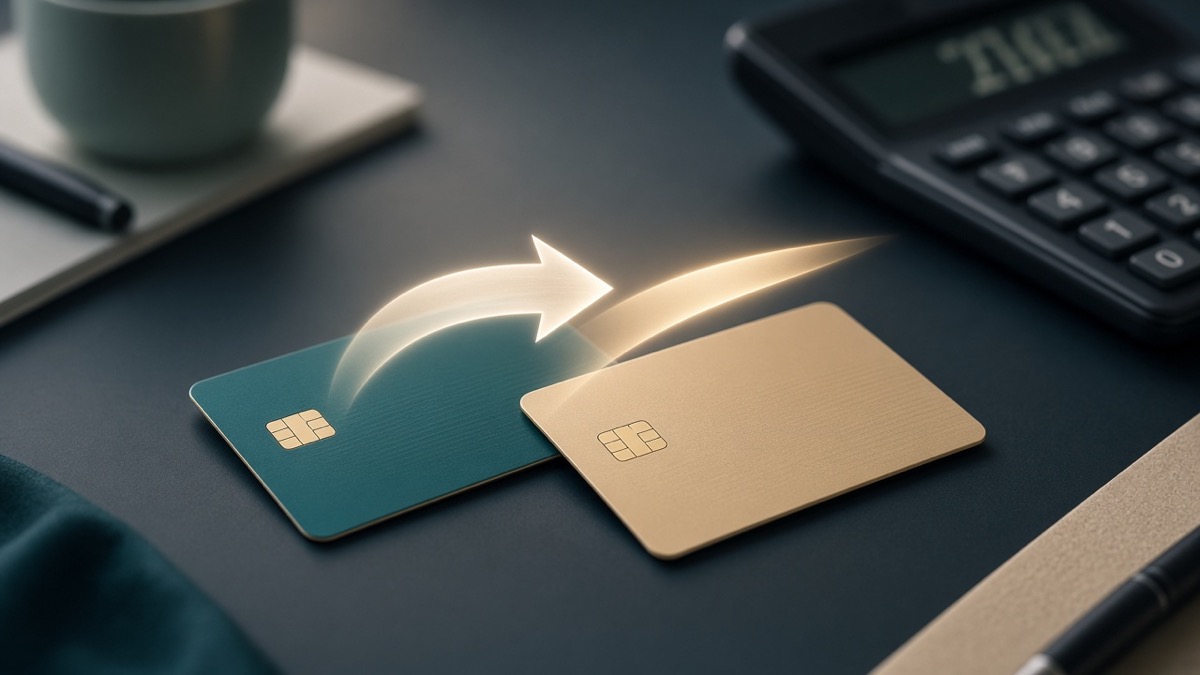
Balance transfer credit cards can be a powerful way to reduce interest on existing card debt. By moving balances to a card with a 0% or low introductory APR, you may pay down principal faster—provided you understand fees, timelines, and your own payoff discipline.
Used poorly, transfers can become an expensive shuffle. This article explains when they tend to make sense for US cardholders. Offers change often; verify terms before you apply.
How Balance Transfers Work
You open a card or use an existing offer, transfer debt from another issuer, and usually pay a transfer fee—commonly around 3% to 5% of the amount moved. During the intro APR window, more of each payment can go toward principal instead of interest.
When a Transfer Often Makes Sense
- You have good to excellent credit and can qualify for a strong offer
- Your current APR is high and interest is slowing progress
- You can realistically pay off the balance before the intro period ends
- The transfer fee is smaller than the interest you would otherwise pay
- You will stop adding new purchases to the transferred balance

Run the Simple Math First
Estimate interest saved during the promo window, subtract the transfer fee, and confirm a monthly payment that clears the balance on time.
- Balance to transfer: $4,000
- Transfer fee at 3%: $120
- Intro period: 15 months
- Required monthly payoff pace: about $275, plus avoiding new charges
If your budget cannot support that payment, a transfer alone will not solve the problem. Build the payoff calendar before you apply, not after the approval email arrives.
When It Usually Does Not Make Sense
- You are likely to miss payments and lose the promo APR
- You plan to keep spending on the new card
- Your debt would take longer than the intro window with no backup plan
- A lower-interest personal loan consolidates more cleanly for your situation
- Multiple recent applications already hurt your approval odds
Fine Print That Matters
- Promo length: Know the exact end date, not just the marketing range
- Purchase APR vs. transfer APR: New purchases may accrue interest immediately
- Payment allocation: Understand how payments are applied if you have promo and non-promo balances
- Penalty APR triggers: Late payments can be costly
- Credit limit: You may not be approved to transfer your full balance
A Smart Transfer Checklist
- Total your high-interest balances and minimum payments
- Compare at least a few transfer offers and fees
- Build a payoff calendar before you apply
- Transfer, then pause nonessential card spending
- Set autopay for at least the target payoff amount
- Mark the promo end date on your calendar 60 days in advance
After the Promo Ends
If any balance remains when regular interest returns, decide immediately whether to pay it aggressively, transfer again if available and wise, or refinance with a personal loan. Do not let inertia convert a temporary strategy into permanent high-interest debt.
Bottom Line
Balance transfer cards make the most sense when the intro APR window, fee math, and your monthly budget align. Treat the transfer as a structured payoff tool—not free money—and have a plan for the day regular interest returns.
Practical Next Steps
- List each card balance, APR, and minimum payment.
- Calculate transfer fees versus expected interest savings.
- Choose a monthly payoff amount you can automate.
- Apply only after the calendar math works.
Quick Answers to Common Questions
Can I transfer between cards from the same issuer?
Often no. Many offers exclude transfers from the same bank or family of brands. Read the terms.
Should I keep the old card open?
Sometimes yes for credit history and utilization, if there is no annual fee and you will not spend on it. Use judgment based on your habits.
As you put these ideas into practice, keep written notes on dates, dollar amounts, phone calls, and deadlines. Good records make follow-up easier and reduce the chance of missing an assistance window, promo expiration, or appeal date. Revisit your choice after major life changes such as a new job, a move, a birth, marriage, divorce, or a significant shift in health or income.
As you put these ideas into practice, keep written notes on dates, dollar amounts, phone calls, and deadlines. Good records make follow-up easier and reduce the chance of missing an assistance window, promo expiration, or appeal date. Revisit your choice after major life changes such as a new job, a move, a birth, marriage, divorce, or a significant shift in health or income.
As you put these ideas into practice, keep written notes on dates, dollar amounts, phone calls, and deadlines. Good records make follow-up easier and reduce the chance of missing an assistance window, promo expiration, or appeal date. Revisit your choice after major life changes such as a new job, a move, a birth, marriage, divorce, or a significant shift in health or income.
As you put these ideas into practice, keep written notes on dates, dollar amounts, phone calls, and deadlines. Good records make follow-up easier and reduce the chance of missing an assistance window, promo expiration, or appeal date. Revisit your choice after major life changes such as a new job, a move, a birth, marriage, divorce, or a significant shift in health or income.