
Medical alert systems are designed to help older adults—or anyone with fall or medical risk—call for assistance quickly with the push of a button. Understanding how these systems work and what they cost can help families choose equipment that fits real daily life rather than paying for unused features.
This overview is general consumer information, not medical advice. For personal safety planning, discuss needs with a clinician or care manager when appropriate.
How a Typical System Works
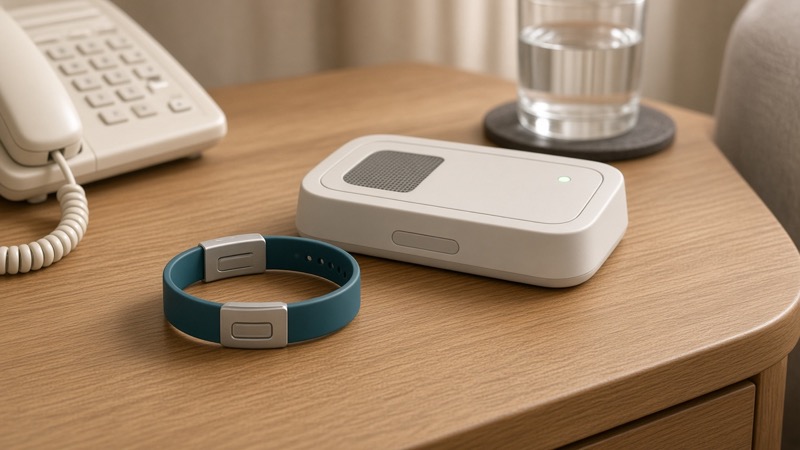
- The user wears a pendant, watch, or carries a mobile device with a help button.
- When pressed, the device connects to a monitoring center or dials emergency contacts, depending on the plan.
- A trained operator assesses the situation and can dispatch emergency services or notify caregivers.
- Some systems include fall detection that attempts to sense a fall even if the button is not pressed.
Home-Based vs. Mobile Systems
- In-home landline or cellular base stations: Best for people who spend most time at home
- Mobile GPS-enabled devices: Better for active users who leave the house regularly
- Smartwatch-style options: Appeal to users who want a less “medical” look, with varying reliability and battery needs
Common Cost Components
- Equipment: Free with subscription on some plans; purchase or activation fees on others
- Monthly monitoring: Often the largest ongoing cost
- Fall detection add-ons: May raise the monthly price
- Lockboxes or wall buttons: Optional accessories
- Cancellation and shipping fees: Read the contract carefully
Total cost varies widely by brand and contract length. Ask for the full first-year cost in writing, including devices and service.
Features Worth Comparing
- 24/7 professional monitoring vs. contact-only alerts
- Fall detection accuracy expectations and limitations
- Battery life and charging responsibility
- Waterproof wearable ratings for bathing risk
- Range of in-home buttons and signal reliability
- Caregiver apps and activity alerts
- Language support and response-center practices
Who Benefits Most?
Medical alert systems are commonly considered for adults living alone, people with balance issues, those recently discharged from the hospital, and caregivers seeking backup support. The best system is one the person will actually wear every day.
Questions to Ask Before Buying
- What happens if the user cannot speak after pressing the button?
- Are there long-term contracts or month-to-month options?
- Is fall detection included, and what are its limitations?
- How quickly can equipment be replaced if damaged?
- Does insurance, Medicaid, or a Medicare Advantage benefit help cover costs in your case?
Family Adoption Tips
Involve the person who will wear the device in choosing the style and fit. Practice a test call after setup, store backup contacts, and place a lockbox for emergency responders if recommended. Reassess needs after health changes, moves, or new mobility challenges.
Bottom Line
Medical alert systems connect a wearable help button to a response workflow that can summon aid fast. Focus on wearability, monitoring quality, and transparent monthly costs—because the most expensive system only helps if it is worn, charged, and trusted.
Practical Next Steps
- List must-have features such as fall detection or on-the-go GPS.
- Compare first-year total costs across two or three providers.
- Confirm contract length and cancellation terms.
- Run a test call after installation.
Quick Answers to Common Questions
Does fall detection replace the help button?
No. Fall detection can help, but it is not perfect. A wearable button the person will press remains important.
Will Medicare pay for it?
Traditional Medicare often does not cover standard medical alert subscriptions. Some Medicare Advantage or state programs may offer benefits—verify your plan.
As you put these ideas into practice, keep written notes on dates, dollar amounts, phone calls, and deadlines. Good records make follow-up easier and reduce the chance of missing an assistance window, promo expiration, or appeal date. Revisit your choice after major life changes such as a new job, a move, a birth, marriage, divorce, or a significant shift in health or income.
As you put these ideas into practice, keep written notes on dates, dollar amounts, phone calls, and deadlines. Good records make follow-up easier and reduce the chance of missing an assistance window, promo expiration, or appeal date. Revisit your choice after major life changes such as a new job, a move, a birth, marriage, divorce, or a significant shift in health or income.
As you put these ideas into practice, keep written notes on dates, dollar amounts, phone calls, and deadlines. Good records make follow-up easier and reduce the chance of missing an assistance window, promo expiration, or appeal date. Revisit your choice after major life changes such as a new job, a move, a birth, marriage, divorce, or a significant shift in health or income.
As you put these ideas into practice, keep written notes on dates, dollar amounts, phone calls, and deadlines. Good records make follow-up easier and reduce the chance of missing an assistance window, promo expiration, or appeal date. Revisit your choice after major life changes such as a new job, a move, a birth, marriage, divorce, or a significant shift in health or income.